
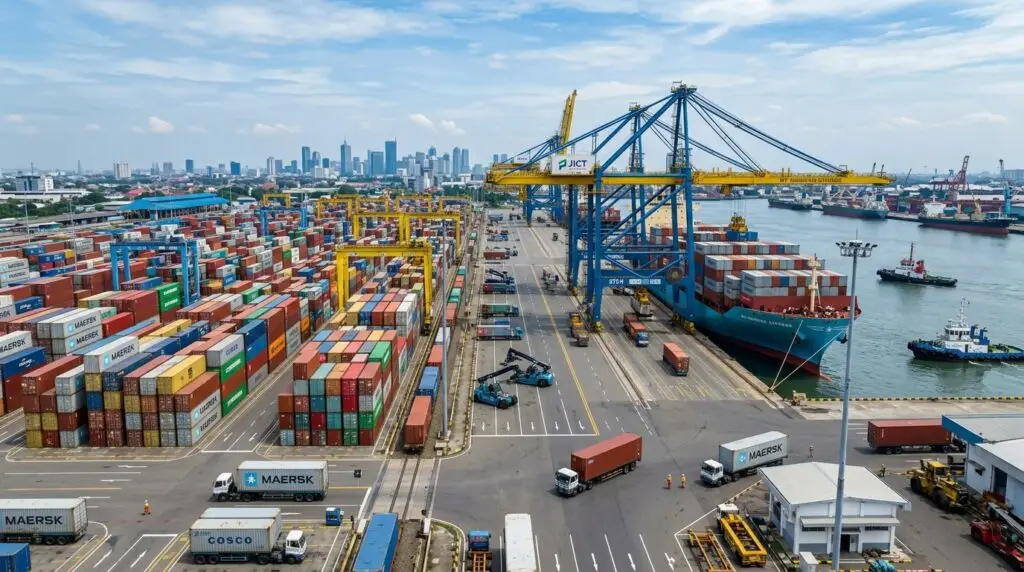
Indonesia’s trade ecosystem is undergoing a dramatic structural transformation under the leadership of President Prabowo Subianto. As South East Asia’s largest economy positions itself higher up global value chains through industrial downstreaming and domestic processing, international trade compliance and supply chain execution face unprecedented shifts. Foreign investors, global logistics operators, and local traders must navigate an evolving regulatory landscape where administrative modernization meets stringent trade compliance requirements.
This comprehensive guide examines the overarching trade reforms, customs modernization initiatives, and strategic incentives shaping cross-border commerce in modern Indonesia. By understanding these regulatory frameworks, businesses can derisk their operations, optimize tariff structures, and build resilient supply chains aligned with Indonesia’s long-term economic strategy.

The Evolution of Indonesia’s Trade Policy Under President Prabowo
The economic direction of the Prabowo administration centers on national resilience, self-sufficiency, and industrial value addition. Building upon the foundational policies of the previous administration, current economic directives emphasize streamlining cross-border movement for high-value industrial inputs while tightening controls on unauthorized imports that threaten local manufacturing.
Trade governance in Indonesia operates through a multi-tiered regulatory system primarily overseen by the Ministry of Trade (Kementerian Perdagangan) and the Directorate General of Customs and Excise (Direktorat Jenderal Bea dan Cukai – DJBC) under the Ministry of Finance. Recent policy adjustments focus heavily on resolving longstanding trade frictions, particularly surrounding import licenses, non-tariff barriers, and customs valuation delays.
Key Regulatory Drivers Shaping Modern Trade Compliance
- Import Management Harmonization: Alignment between Commodity Balances (Neraca Komoditas) and national industrial demand to eliminate supply bottlenecks.
- Digitalization of Maritime Trade: Expanding the national logistics ecosystem to connect customs clearance directly with port operations.
- Strategic Downstreaming Enforcement: Ensuring trade compliance supports domestic value addition across mining, agriculture, and manufacturing sectors.
Core Customs Reforms: From Administrative Hassle to Digital Efficiency
Historically, clearing goods through Indonesian ports presented significant operational friction due to manual document verifications, frequent physical inspections, and overlapping agency mandates. Modernization efforts led by DJBC have introduced digital-first clearance mechanisms aimed at standardizing process times across key international hubs, including Tanjung Priok in Jakarta, Tanjung Perak in Surabaya, and Belawan in Medan.
A critical element of this transition is the integration of automated risk assessment protocols. By categorizing importers into risk-based clearance channels (Green, Yellow, Red, and AEO), customs authorities can focus compliance enforcement on high-risk consignments while providing rapid processing for established, compliant traders.
For a detailed breakdown of how automated processing channels, risk classification systems, and accurate tariff classifications impact your shipment clearance speeds, refer to our complete guide on Understanding Indonesia’s Customs Clearance Modernization and HS Code Alignment.
Strategic Incentives: Special Economic Zones and Bonded Facilities
To attract high-quality Foreign Direct Investment (FDI) and accelerate economic decentralization, Indonesia offers dedicated regulatory zones featuring competitive fiscal and non-fiscal privileges. Foreign freight operators and logistics investors can leverage these specialized administrative regimes to optimize operational costs and streamline regional distribution.
Special Economic Zones (Kawasan Ekonomi Khusus – KEK)
Designed to stimulate growth outside traditional industrial hubs, Special Economic Zones provide comprehensive tax holidays, simplified import-export regulations, flexible employment guidelines, and streamlined foreign ownership structures. Foreign logistics providers operating within SEZs enjoy preferential customs treatment and integrated infrastructure access tailored to export-oriented manufacturing.
To discover how foreign logistics providers, freight forwarders, and supply chain operators can capitalize on these preferential frameworks, explore our full analysis on Regulatory Frameworks for Special Economic Zones (SEZs): Benefits for Foreign Freight Operators.

Bonded Logistics Centers (Pusat Logistik Berikat – PLB)
Beyond geographical SEZs, the Bonded Logistics Center (PLB) framework provides functional storage and distribution hubs across strategic industrial corridors. PLBs allow businesses to defer import duties, VAT, and luxury taxes while holding raw materials, capital equipment, or finished goods in secure facilities close to production sites.
For an operational strategy on using PLB facilities to reduce demurrage, improve working capital efficiency, and build agile regional hub-and-spoke models, read our dedicated article on Bonded Logistics Centers (PLB): Unlocking Efficient Cross-Border Distribution.
Navigating Non-Tariff Measures and Technical Compliance
While tariff rates across ASEAN trading partners have generally lowered under regional free trade agreements, non-tariff measures (NTMs) represent the primary area where foreign traders encounter compliance challenges in Indonesia. Understanding product-specific technical standards is essential to preventing cargo holds and financial penalties.
1. Indonesian National Standards (SNI)
Mandatory SNI certification applies to hundreds of commercial and consumer products, ranging from industrial steel and electrical equipment to food items and consumer safety goods. Importers must secure SNI compliance certificates from accredited testing bodies prior to shipment arrival.
2. Import Verification and Surveyor Inspection
Certain product categories require pre-shipment inspection (Laporan Surveyor) at the country of origin. This verification ensures that incoming goods comply with national technical specifications, quantity declarations, and origin rules before loading onto vessel transports.
3. Halal Product Assurance
Indonesia’s mandatory Halal product assurance laws require consumer goods, food products, cosmetics, and related logistics supply chains to maintain verified halal integrity, placing unique compliance responsibilities on storage and transportation providers.
Risk Mitigation Strategies for Foreign Businesses
Successfully navigating Indonesia’s evolving trade landscape requires a proactive, structured compliance framework. Relying on outdated import practices or informal agency arrangements increases exposure to severe customs audits, delayed shipments, and substantial financial fines.
- Conduct Regular HS Code Audits: Verify tariff classifications against updated national customs schedules to ensure precise duty payment and prevent misclassification penalties.
- Partner with Accredited Customs Brokers (PPJK): Engage licensed, experienced customs agents with deep operational insights into local port procedures and digital customs filing systems.
- Achieve Authorized Economic Operator (AEO) Status: Eligible corporate entities should pursue AEO certification with DJBC to secure priority customs processing, reduced physical inspection rates, and streamlined administrative checks.
- Leverage Integrated Logistics Systems: Utilize digital trade documentation platforms that sync directly with the Indonesia National Single Window (INSW) to ensure total document transparency.
Conclusion: Operational Readiness in Era Prabowo
The trajectory of trade regulatory reforms under President Prabowo Subianto points toward a modernized, highly structured, and digital-first trading environment. While regulatory enforcement remains strict, businesses that adapt early to these modernized frameworks stand to gain significant competitive advantages in speed, cost-efficiency, and operational stability across the Indonesian market.
2 Comments