
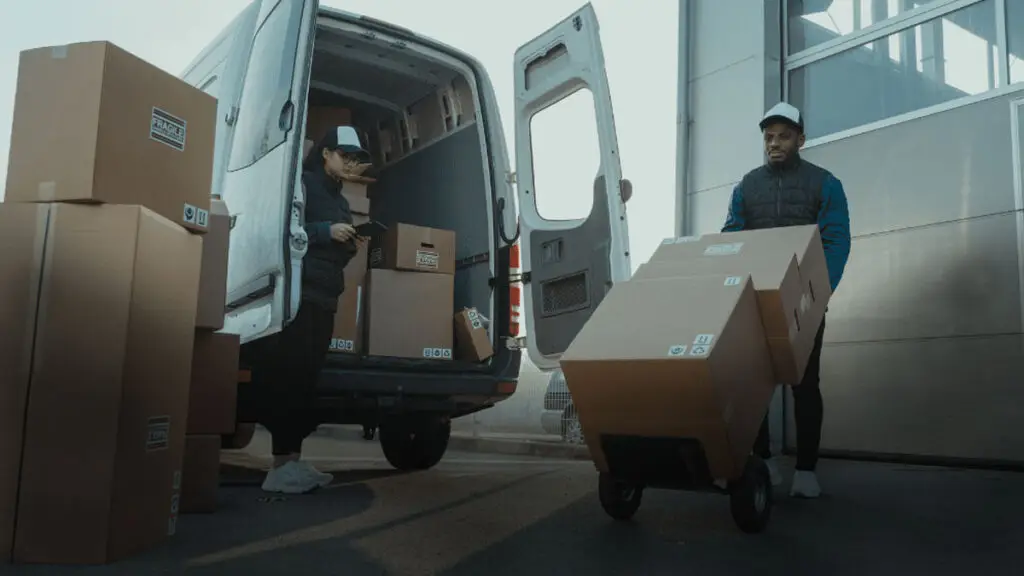
Logistics is one of the most critical components of running a successful business, especially for companies that sell physical products. Logistics activities cover a wide range of processes—from procurement and warehousing to inventory management and delivery to customers. Without an effective logistics system, businesses can face numerous challenges that increase costs and reduce customer satisfaction.
Understanding the role of logistics in business helps entrepreneurs recognize the importance of planned goods management. Logistics is not merely about moving products from one location to another. It plays a vital role in ensuring the right products are available in the right quantities, at the right locations, and delivered to the right recipients at the right time.
In Indonesia—an archipelago of more than 17,000 islands—logistics takes on even greater strategic importance. High logistics costs (historically around 23–25% of GDP, significantly higher than many neighboring countries) and complex inter-island distribution make efficient logistics a key competitive advantage for local businesses, particularly those expanding through e-commerce platforms such as Shopee, Tokopedia, and Lazada.
Ensuring Product Availability
One of the primary functions of logistics is ensuring product availability according to operational needs. Companies must carefully manage inventory so they do not run out of stock when demand rises. On the other hand, excessive stock increases storage costs and the risk of product damage or obsolescence.
Proper inventory management allows businesses to align stock levels with market demand. This requires accurate stock recording and well-planned procurement. As a result, sales and daily operations can run more smoothly without being disrupted by stock shortages.
Managing Storage and Warehousing
Logistics also involves organizing the storage of goods before they are distributed to customers or other destinations. Products need to be placed in appropriate areas based on their type, quantity, characteristics, and distribution requirements. A well-organized warehouse significantly speeds up the picking process.
An organized warehousing system also helps companies reduce the risk of loss or damage. Categorizing products and maintaining clear records of incoming and outgoing goods make inventory checks much easier. This is especially important for businesses that handle many product types and large inventory volumes.
Supporting the Distribution Process
Another key function of logistics is supporting the distribution of goods from storage locations to their final destinations. Distribution must be carefully planned by considering distance, delivery time, product condition, and the type of vehicle used. Good planning helps minimize obstacles during the shipping process.
Efficient distribution directly impacts the customer experience. Products that arrive on schedule build trust in the company. Therefore, selecting the right distribution routes, scheduling, and monitoring shipments are essential parts of logistics management.
In Indonesia, distribution often involves multiple modes of transportation—trucks, ships, and sometimes air freight—to reach customers across different islands. Government initiatives such as the Sea Toll (Tol Laut) program have helped reduce price disparities between regions, making inter-island logistics more accessible for businesses of all sizes.
Helping Control Operational Costs
Logistics is closely linked to a company’s operational costs. Transportation, warehousing, labor, packaging, and inventory management expenses must be carefully calculated. An inefficient logistics system can drive costs up without delivering proportional added value.
Companies can achieve greater efficiency through route planning, optimizing vehicle capacity, and more structured warehouse management. Technology also plays an important role by enabling more accurate monitoring of inventory and shipments. With proper management, businesses can optimize their use of resources.
Increasing Customer Satisfaction
In modern business, customers care not only about product quality. Speed and accuracy of delivery are also part of their overall experience. A strong logistics system helps companies meet customer expectations regarding order fulfillment.
On-time delivery, well-maintained product condition, and clear order status information increase customer convenience. This is particularly crucial for online businesses that rely on delivery services to reach consumers across different regions.
Indonesia’s booming e-commerce sector has made last-mile delivery a major focus. Customers increasingly expect real-time tracking and reliable delivery times, even to remote areas—raising the standard for logistics performance nationwide.
Supporting Supply Chain Continuity
Logistics is a vital part of the supply chain because it connects various business processes. Raw materials must be available for production, finished products need to be stored, and goods must be delivered to distributors or end consumers. Each of these stages requires strong coordination.
If one part of the chain experiences disruption, other processes can be affected. Therefore, companies need to build logistics systems that can adapt to changing demand, supplier delays, or transportation issues. Accurate information is one of the most important factors in maintaining a smooth supply chain.
Why Do Businesses Need Good Logistics Management?
Effective logistics management helps companies run their operations more systematically. Goods can move from suppliers to warehouses and then to customers through carefully planned processes. This makes it easier for businesses to control inventory, costs, and delivery times.
As a business grows, its logistics needs usually increase as well. The more products, customers, and market areas a company serves, the more complex its distribution processes become. For this reason, companies should regularly evaluate their logistics systems to keep pace with business development.
For a broader understanding, you can also explore the definition and functions of logistics, including the various types and processes involved in business operations.
Conclusion
The role of logistics in business goes far beyond simply shipping products. Logistics covers inventory management, storage, distribution, cost control, and supporting customer satisfaction. All these processes are interconnected and work together to ensure business operations run efficiently.
With a well-planned logistics system, companies can reduce operational obstacles while improving service quality. Therefore, logistics management should be treated as a core part of business strategy—especially for companies with significant distribution and inventory activities.
In the Indonesian context, investing in better logistics is not just an operational necessity but a strategic move to stay competitive in one of Southeast Asia’s largest and fastest-growing markets.