
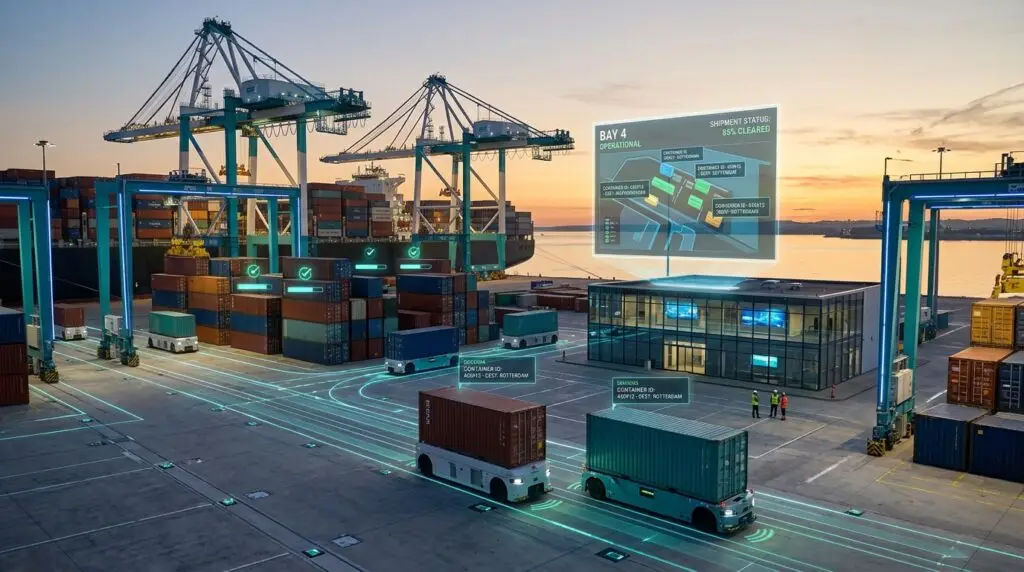
Navigating cross-border trade into South East Asia’s largest market requires an intimate understanding of its evolving administrative and technical entry points. As part of broader economic modernization under President Prabowo Subianto, Indonesia’s Directorate General of Customs and Excise (Direktorat Jenderal Bea dan Cukai – DJBC) has aggressively accelerated its digital customs transformation. For global shippers, foreign freight forwarders, and domestic importers, mastering these modernized customs procedures and precise Harmonized System (HS) code classifications is no longer just a legal formality—it is a critical supply chain necessity.
Customs delays at major gateway ports such as Tanjung Priok (Jakarta), Tanjung Perak (Surabaya), and Batu Ampar (Batam) can severely erode margins through demurrage fees and missed production deadlines. This article explores the mechanics of Indonesia’s modern customs clearance system, the risk-based channel allocation process, and the technical strategies required for flawless HS code alignment under current trade regulations.
The Modernization of Indonesia’s Customs Ecosystem
The core engine driving Indonesia’s trade digitization is the Indonesia National Single Window (INSW) platform. INSW acts as the single digital portal integrating customs clearance with over 18 technical ministries and government agencies—including the Ministry of Trade, Ministry of Industry, and National Food and Drug Authority (BPOM). By automating document verification and agency approvals, the system reduces manual touchpoints and harmonizes cross-border data flow.
This digital framework aligns directly with Indonesia’s macro trade policies aimed at improving port dwell times while maintaining strict oversight over imported manufactured goods. To understand how these administrative upgrades fit into the broader economic vision of the current administration, see our comprehensive guide on Navigating Trade and Customs Frameworks in Era Prabowo.
Deconstructing the Customs Clearance Channels (Jalur Clearance)
Upon submitting the Import Declaration Form (Pemberitahuan Impor Barang – PIB) electronically through the INSW, the customs system automatically evaluates the shipment using a sophisticated, automated risk management algorithm. Shipments are assigned to one of four primary clearance channels, each determining the speed and scrutiny of processing:
1. Green Channel (Jalur Hijau)
The Green Channel represents the most efficient import pathway. Cargo assigned to this channel undergoes document review without physical inspection prior to release. Highly compliant importers with established shipment histories routinely qualify for Green Channel status, allowing cargo to clear within hours of port arrival.
2. Yellow Channel (Jalur Kuning)
Shipments routed through the Yellow Channel require detailed physical and electronic document verification prior to cargo release, though no physical inspection of the goods is mandated. This channel is typically triggered when the customs database flags minor administrative inconsistencies, incomplete certificates of origin, or missing technical licenses.
3. Red Channel (Jalur Merah)
The Red Channel involves the highest degree of customs scrutiny, requiring both a comprehensive document audit and a mandatory physical inspection of the physical cargo. Importers are assigned to the Red Channel under several conditions:
- New or first-time importers with limited compliance history.
- Shipments originating from high-risk geographic locations.
- High-risk commodity categories (e.g., restricted industrial goods, consumer electronics, textiles).
- Discrepancies identified during initial automated document processing.
4. Authorized Economic Operator (AEO) Channel
The AEO channel represents the tier of maximum trade facilitation. Certified AEO corporate entities enjoy immediate, priority clearance with minimal administrative friction, zero routine physical inspections, and deferred duty payment options.
Mastering HS Code Alignment under BTKI Guidelines
At the center of every import declaration is the Harmonized System (HS) code classification. Indonesia uses the Buku Tarif Kepabeanan Indonesia (BTKI)—the Indonesian Customs Tariff Book—which incorporates international 6-digit WCO standards and 8-digit ASEAN Harmonized Tariff Nomenclature (AHTN) codes, expanding down to specific national 8-digit or 10-digit tariff lines.
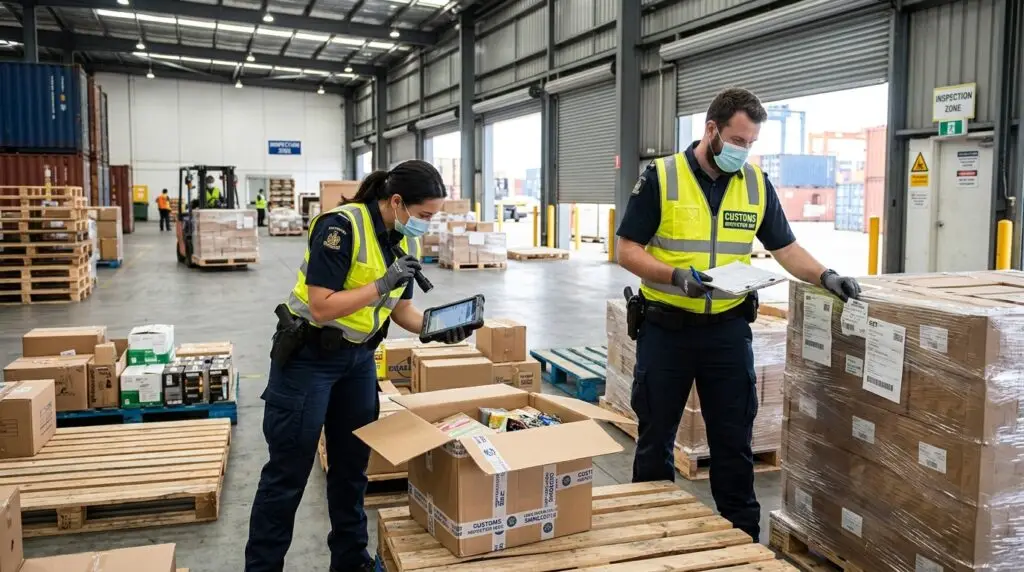
Misclassifying an HS code is one of the most costly mistakes an importer can make in Indonesia. Incorrect tariff assignment can lead to severe operational penalties:
- Re-classification and Duty Adjustment: Customs authorities will reclassify the item, often retroactively assessing higher basic customs duties, VAT, and Income Tax (PPh 22).
- Administrative Fines: Fines for underreporting customs value or incorrect tariff filing can range from 100% up to 1,000% of the unpaid duty amount.
- Seizure or Forced Redirection: If the reclassified HS code falls under a restricted import category requiring non-tariff licenses (e.g., Import Approval/PI) that the importer lacks, the cargo may be confiscated or ordered for immediate re-export.
Step-by-Step Guide to Achieving Import Compliance
To avoid costly customs delays and establish a strong compliance record with DJBC, businesses should implement a structured import execution strategy:
- Obtain a Pre-Entry Classification Ruling (Penetapan Klasifikasi Sebelum Impor – PKSI): For complex, ambiguous, or novel industrial machinery and chemical products, importers can apply for an official, legally binding classification ruling from DJBC prior to shipping.
- Verify Non-Tariff Measures (Lartas) Early: Check the INSW portal using the target HS code to determine if mandatory Surveyor Reports (Laporan Surveyor), SNI certifications, or Ministry import quotas apply.
- Ensure Valuation Transparency: Prepare comprehensive documentation supporting the declared transaction value (Invoices, Bills of Lading, Purchase Orders, Proof of Payment) to defend against arbitrary customs valuation increases.
- Leverage Strategic Warehousing Options: For goods awaiting technical licenses or tariff verifications, consider routing shipments into specialized duty-deferred storage hubs. Learn how to optimize cross-border storage in our complete breakdown of Bonded Logistics Centers (PLB): Unlocking Efficient Cross-Border Distribution.
- Explore Regional Trade Agreements: Utilize ASEAN Free Trade Area (AFTA) or bilateral agreement Certificates of Origin (Form E, Form D, Form AK) to secure preferential zero or reduced duty rates. Foreign operators setting up regional hubs can also explore dedicated manufacturing incentives detailed in our guide on Regulatory Frameworks for Special Economic Zones (SEZs).
Conclusion: Building a Compliant and Agile Supply Chain
Customs clearance in modern Indonesia is a highly systematic process governed by automated risk assessment and digital integration. By maintaining rigorous document accuracy, proactively verifying HS code classifications under the latest BTKI standards, and embracing digital single-window processes, international businesses can transform customs compliance from a potential bottleneck into a distinct competitive advantage.
3 Comments