
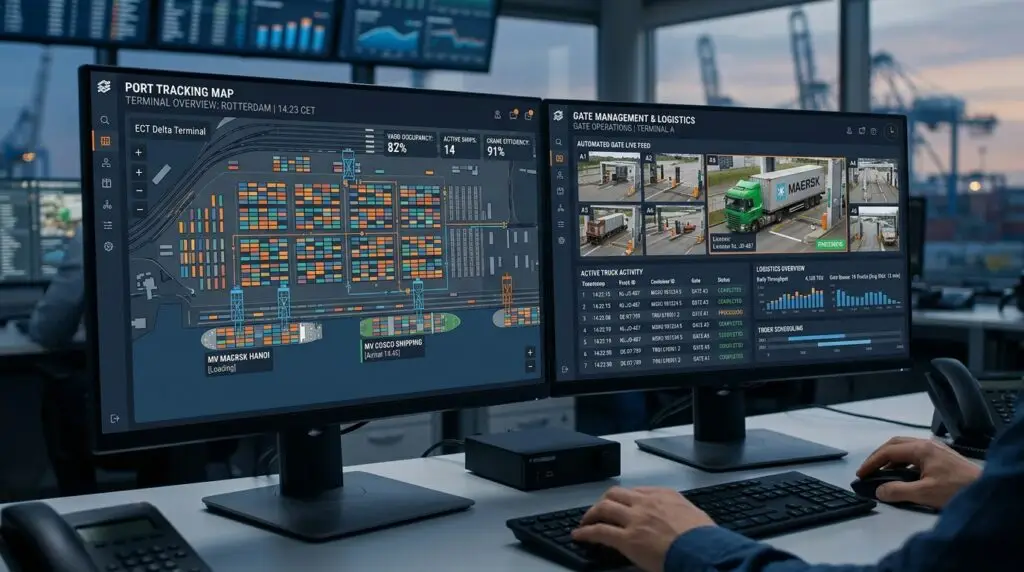
In modern international trade, physical port infrastructure—such as deep-water berths, mega gantry cranes, and expansive container yards—represents only one half of the efficiency equation. The other critical half lies in administrative procedures, regulatory compliance, and digital document processing. Historically, Indonesia’s maritime logistics sector suffered from structural fragmentation. Shippers, freight forwarders, terminal operators, and government regulatory bodies operated within isolated siloes. This lack of integration generated high vessel dwell times, redundant data entry, administrative friction, and inflated logistics costs that weakened national export competitiveness.
To eliminate these systemic operational bottlenecks, the Indonesian government launched the National Logistics Ecosystem (Ekosistem Logistik Nasional or NLE). Designed as a comprehensive digital transformation initiative, the NLE aligns administrative workflows, connects business-to-government (B2G) and business-to-business (B2B) platforms, and standardizes port clearance protocols across major maritime gateways. By unifying trade documentation, automating inspection services, and optimizing cargo transport, the NLE is systematically modernizing Indonesia’s port infrastructure from a digital perspective.
Understanding the National Logistics Ecosystem (NLE) Framework
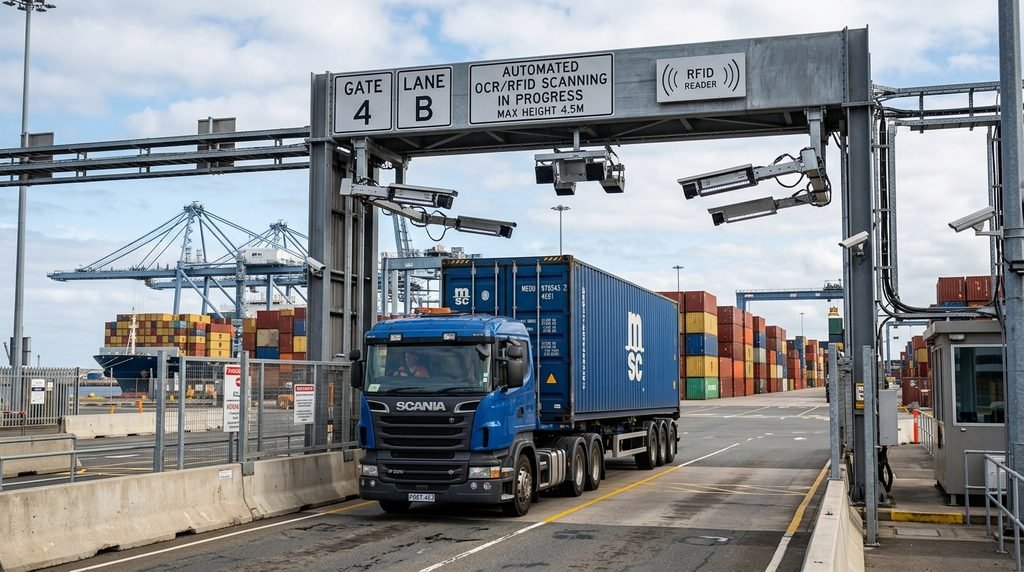
The National Logistics Ecosystem is not a single software application or isolated government database. Instead, it is a master collaborative ecosystem that links existing supply chain platforms, regulatory databases, financial institutions, and terminal management systems into a unified digital environment. The core ambition of the NLE is to establish a seamless flow of goods, documents, and payments from the moment a vessel enters Indonesian territorial waters until cargo arrives at its final inland destination.
Prior to NLE implementation, a typical import or export shipment required navigating dozens of independent agency platforms, physical paperwork submissions, and manual customs verifications. This process forced logistics personnel to input identical shipping data into multiple uncoordinated systems. The resulting delays frequently led to severe port congestion, demurrage penalties for cargo owners, and extended vessel turnaround times.
To see how digital ecosystem alignment fits within the overarching national strategy for trade infrastructure, read our comprehensive guide on Modernizing Indonesia’s Ports: Gateways for Global Trade and Investment.
The Four Strategic Pillars of the NLE Architecture
The NLE operational model is built upon four structured pillars that target specific inefficiencies within the maritime supply chain ecosystem:
| Strategic NLE Pillar | Primary Digital Functionality | Key Operational Impact |
|---|---|---|
| Simplification of Government Processes | Single Submission (SSm) for customs, quarantine, and port clearance | Eliminates duplicate filings and drastically reduces vessel dwell time |
| Collaboration of Logistics Services | Digital matching platforms for truck, warehouse, and vessel booking | Optimizes asset utilization and eliminates empty return container trips |
| Ease of Payment Systems | Single-window financial settlement and automated billing | Accelerates port service payments and enhances transaction transparency |
| Spatial Alignment & Port Layout | GIS tracking, automated port gates, and dedicated logistics corridors | Reduces landside traffic congestion around primary marine terminals |
1. Simplification of Government Services (Single Submission / SSm)
Through the implementation of Single Submission (SSm) protocols—such as SSm Transport, SSm Quarantine-Customs, and SSm QC—importers and exporters submit shipping documents once through a single digital window. Regulatory agencies conduct joint inspection protocols simultaneously rather than sequentially. This single reform alone has drastically reduced administrative processing hours, allowing goods to clear port gates far faster than under legacy systems.
2. B2B Logistics Service Collaboration
Beyond government regulatory approvals, the NLE integrates private supply chain service providers into a unified digital market. Shippers can access real-time digital platforms to compare prices and book container haulage trucks, warehouse storage, and feeder vessel space. By creating a transparent marketplace, the NLE optimizes transport equipment capacity, reduces fleet idle time, and lowers freight transport rates.
3. Seamless Payment Integration
Financial transaction friction often stalls container movements. The NLE incorporates integrated electronic payment systems that allow port users to settle terminal charges, customs duties, storage fees, and inspection charges through a unified payment gateway. Automated payment verification speeds up cargo release orders, eliminating unnecessary delays at terminal yards.
4. Spatial Planning and Traffic Optimization
Digital coordination extends directly to landside terminal gate management. By integrating automated gate systems with digital booking platforms, the NLE regulates the flow of container trucks entering port facilities. Drivers receive precise time-slot reservations for container pick-up and drop-off, alleviating severe traffic bottlenecks on urban roads leading to major coastal ports.
Impact on Port Operational Performance Metrics
The national deployment of the NLE across major international gateways—including Tanjung Priok in Jakarta, Tanjung Perak in Surabaya, Belawan in Medan, and Tanjung Emas in Semarang—has produced measurable operational gains:
- Dwell Time Reduction: Average container dwell times at major terminals have decreased from over four to five days down to under two to three days in key modernized facilities.
- Cost Savings for Logistics Users: Streamlined administrative procedures and joint inspections have generated billions of Rupiah in savings by eliminating demurrage fees and manual processing charges.
- Enhanced Transparency and Corruption Reduction: Digitizing approvals and eliminating face-to-face administrative interactions reduces opportunities for informal fees, fostering a transparent commercial environment.
- Data-Driven Maritime Management: Port authorities gain real-time visibility into vessel arrivals, terminal yard utilization rates, and freight movements, enabling data-backed capacity planning.
Digital logistics platforms work hand-in-hand with physical infrastructure expansion. Learn how deep-water capacity complements digital streamlining in our article on Deep-Sea Port Expansion: Positioning Indonesia as a Regional Transshipment Hub.
Challenges in Scaling NLE Across the Archipelagic Network
While the NLE has achieved significant milestones at primary gateways, expanding the platform seamlessly across Indonesia’s vast archipelagic transport network presents ongoing operational challenges:
- Regional Technological Disparities: Secondary regional ports in eastern Indonesia often lack the advanced digital infrastructure, high-speed connectivity, and automated hardware required for full NLE integration.
- Inter-Agency Data Synchronization: Ensuring continuous, real-time data integration across diverse government ministries, regional port authorities, and local customs offices requires ongoing inter-agency alignment.
- Stakeholder Adoption Rates: Encouraging small-to-medium logistics providers, local trucking fleets, and regional brokers to fully transition from legacy paper-based operations to standardized digital platforms.
- Cybersecurity and System Resilience: As national supply chains become fully digitized, maintaining robust cybersecurity defenses and system redundancy is essential to protect trade infrastructure against operational disruptions.
Conclusion
The National Logistics Ecosystem (NLE) represents a crucial digital evolution in Indonesia’s strategy to modernize its maritime infrastructure. By breaking down administrative siloes, establishing single-submission trade platforms, and integrating private logistics services into a transparent digital framework, the NLE is systematically lowering supply chain costs and cutting vessel dwell times. As digital protocols expand to secondary regional ports, the combination of world-class physical terminals and an integrated digital logistics ecosystem will firmly establish Indonesia as a competitive, high-efficiency trade gateway in global commerce.
One Comment